Articles
-
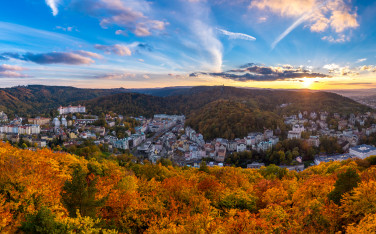
Colours of Autumn with the Karlovy VARY REGION CARD
Do you also like the days on which the autumn sun shines through the pastel-coloured tree- tops and you just have to admire this magic of nature again and again? This unique season affects each of us. And this is true of Karlovy Vary twice as much at least.
4. 11. 2022 -
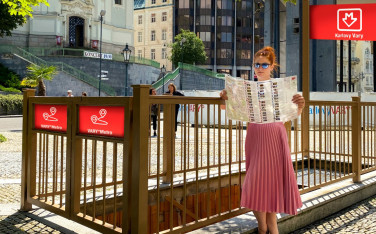
VARY°Metro
Karlovy Vary has its own audio guide, erasing its conservative mark…
21. 7. 2022 -
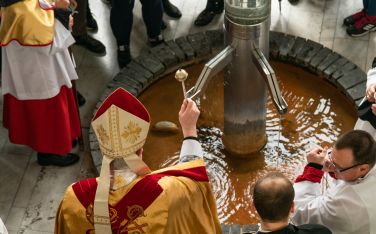
Opening of the spa season in Karlovy Vary
After a two-year-long break the spa season in Karlovy Vary will be opened again with a town wide celebration.
5. 5. 2022 -
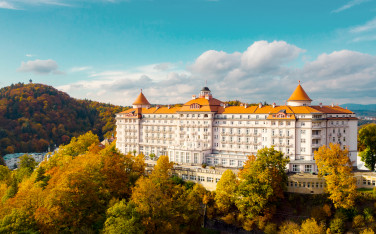
Did you know that famous Hollywood stars stayed in the Imperial Hotel too?
The legendary hotel has welcomed prominent guests – aristocrats, businessmen and artists - in the course of years. For example, film stars Mary Pickford and Douglas Fairbanks stayed here in 1926. Today you can take a funicular to get to the hotel palace towering above the town...
30. 7. 2020 -
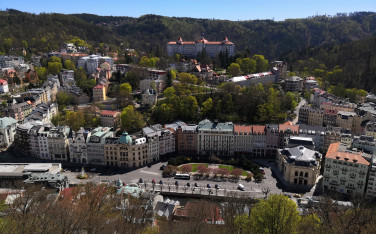
Did you know that the view from the Deer´s Jump has been attracting visitors to Karlovy Vary for centuries?
Did you know that the view from the Deer´s Jump has been attracting visitors to Karlovy Vary for centuries? Can you find at least 2 differences between the present and the historical photo?
24. 7. 2020 -
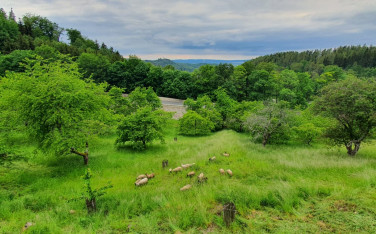
Did you know that there has been a cherry and sour cherry orchard in the „big bend“ of the historical Prague road for long decades?
The orchard, whose area is 2.2 ha, is unique in the Karlovy Vary region owing to the number of fruit trees growing here. There are 190 trees. Two thirds of them were probably planted before World War II.
24. 6. 2020 -
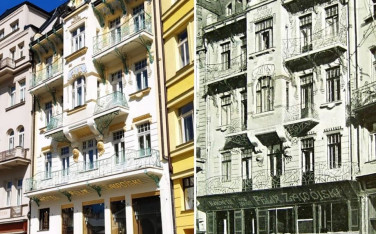
Did you know that the first lift in Karlovy Vary was in the House Zawojski?
Master taylor Felix Zawojski had the splendid Art Nouveau house built for his fashion studio in the Market Place in 1900.
17. 6. 2020 -
VARY°Voucher
VARY°Voucher si budou moci zájemci vygenerovat 25. 5. 2020 od 10:00 na této stránce.
12. 5. 2020 -
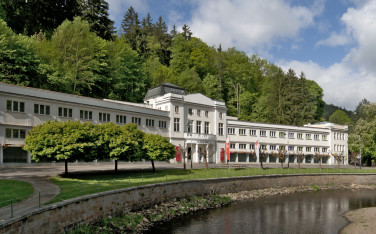
Did you know that the surroundings of the present Art Gallery used to be a busy shopping street?
The place which used to be called Dorothea Meadow in the past was the centre of the shops of the Karlovy Vary Trade Association. In the early 20th century a decision was made that a building with boutiques and an art gallery would be built there.
10. 6. 2020 -
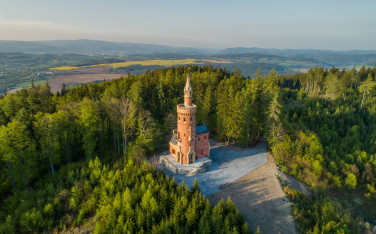
Did you know that the Goethe Viewing Tower was originally named after Princess Stephanie?
It was because it was the wife of the Austrian crown prince Rudolf of Habsburg who initiated the construction of the viewing tower.
3. 6. 2020 -
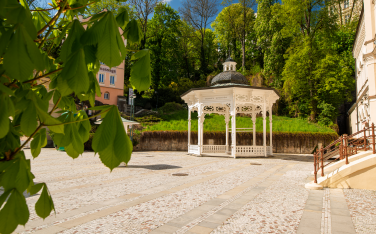
Do you know that the summerhouse over the Freedom Spring was built to cover a newly discovered spring?
The spring, which was originally called the Spa Spring, was discovered when the foundations of the new Spa House (Spa Building III) were being dug in the early 1960s.
27. 5. 2020 -
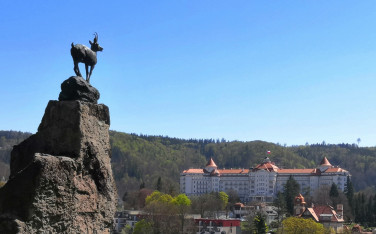
Do you know that the statue of the chamois has been looking down at the centre of the town from the Deer Leap rock since as early as 1851?
But why just the chamois? The legend has it that it was a deer that jumped into hot mineral water... Well, but because in Baron Augustin Lützow´s opinion a deer would never jump off a rock, he had a chamois sculpture put on a piece of rock above the Sprudel - on purpose.
20. 5. 2020